
Signs of the Times • 15 November 2018 • No. 177
¶ Processional. "Pie Jesu" (“Merciful Jesus”) by Sarah Brightman, Paul Miles-Kingston. The music accompanies actual film footage (3:34) from World War I’s “Battle of The Somme,” when French and British allies took the offensive against German troops in France, 1 July-18 November 1916. The British suffered 57,000 casualties on the first day of the offensive. All totaled, more than 1 million men were wounded or killed, making it one of the bloodiest battles in history.

Above: Wild poppies (Papaver rhoeas, known variously as the Flanders poppy, corn poppy, red poppy and corn rose) grow in the "Trench of Death," a preserved Belgian World War I trench system on July 14, 2017, in Diksmuide, Belgium.
Special issue
THE BACKDROP OF VETERANS DAY
The “Great War,” the armistice, and the commemorative red poppy
¶ Invocation. "Look into your own heart and discover your own pain and determine not to visit it upon others." —Karen Armstrong paraphrasing Confucius at the recent Parliament of the World’s Religions conference
¶ Listen to Leonard Cohen recite John McCrae’s “In Flanders Fields,” one of the most recognized literary pieces of the 20th century, written after McCrae presided over the burial of one of his best friends in the Second Battle of Ypres, Belgium. McCrae’s poem led to the custom of wearing red poppies as a memorial of World War I, the “Great War,” the “war to end all wars,” the “war to make the world safe for democracy.”
¶ “The World War I Origins of the Poppy as a Remembrance Symbol.” —history.com
¶ Call to worship. “You can no more win a war than win an earthquake.” —Jeanette Rankin, first female elected to federal office (in 1916, to the US House of Representatives, before women were allowed to vote) and dissenting voter on US declarations of war in both world wars
¶ The march of folly. About the Great War, British novelist H.G. Wells wrote on August 14, 1914, “This is already the vastest war in history. . . . For this is now a war for peace. It aims straight at disarmament. It aims at a settlement that shall stop this sort of thing for ever. Every soldier who fights against Germany now is a crusader against war. This, the 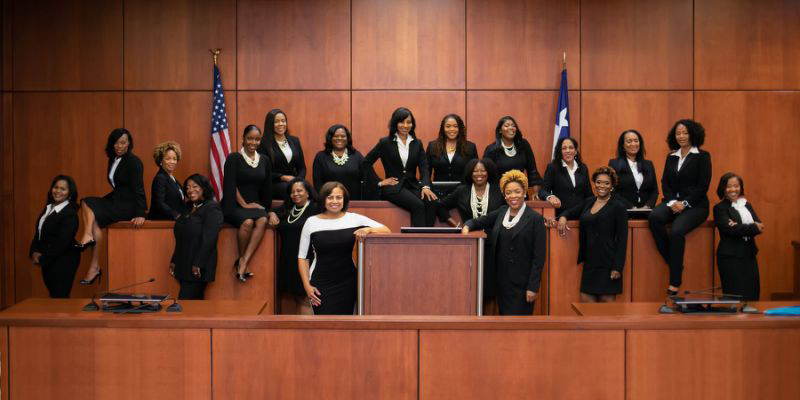 greatest of all wars, is not just another war—it is the last war!”
¶ Hymn of praise. “135 Psalam: Slavite Gospoda” (“Praise the Lord), Vila, Serbian Orthodox Singing Society.
¶ Good news. All 19 of these African American candidates (at right) for judicial positions in Harris Country, Texas (encompassing most of Houston) were elected in last week’s mid-term election. Photo by Harris Black Girl Magic.
¶ Confession. Among the things we must do to be at home in a place, according to Martin Prechtel, is “we’ve got to begin to grieve. Now, grief doesn’t mean sitting around weeping every day. Rather, grief means using the gifts you’ve been given by the spirits to make beauty. Grief that’s not expressed this way becomes a kind of toxic waste inside a person’s body. This locked-up grief has to be metabolized.” —Derrick Jensen interview with Prechtel, “Saving the Indigenous Soul,” The Sun, excerpt printed in “Radical Discipleship (Thanks Lydia & Tommy)
¶ World War I created unprecedented carnage. The first day alone of the Battle of the Somme resulted in over 70,000 casualties. By war's end on 11 November 1918, the final tally of vengeance for one assassination had claimed the lives of nearly 40 million combatants and civilians, many times over wounded.

¶ Hymn of supplication. “So they gathered the crippled, the wounded, the maimed, and they shipped us back home to Australia / The legless, the armless, the blind, the insane, those proud wounded heroes of Suvla / And as our ship pulled into Circular Quay, I looked at the place where me legs used to be / And thanked Christ there was nobody waiting for me, to grieve, to mourn, and to pity.” —Eric Bogle, “And the Band Played Waltzing Matilda,” representing an Australian soldier fighting Turkish soldiers during World War I
¶ In 1954, Armistice Day was replaced with Veterans Day, and so our public celebration of peace and an end to war became a rally to “support the troops,” a state and federal day off, and a platform for military recruitment.
¶ “Armistice Day was sacred. Veterans’ Day is not,” wrote novelist Kurt Vonnegut, a World War II veteran and POW. “So I will throw Veterans’ Day over my shoulder. Armistice Day I will keep. I don’t want to throw away any sacred things.”
¶ Words of assurance. “The Resurrection is the Beloved’s own / Armistice, intimate seal on ancient covenant, / when the rain’s own bow arches in the flood’s / aftermath as divine reminder, animus receding / by act of divine contrition: / Never again. Never again.” —continue reading “Aftermath of the Great War’s Armistice: On the 100th anniversary of Armistice Day, 11 November 2018”
¶ Eight million horses, donkeys and mules were killed in World War I.
¶ Hymn of remembrance. “In R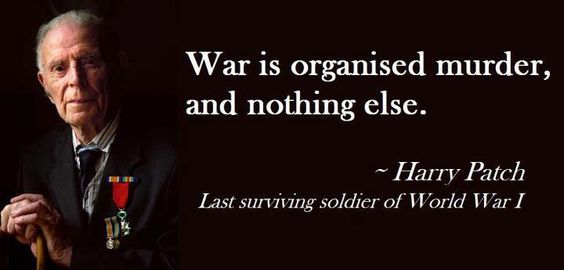 emembrance,” piper Andy Cant, of the 1916 naval Battle of Jutland.
¶ “‘Today on the Western Front,’ the German sociologist Max Weber wrote in September 1917, there ‘stands a dross of African and Asiatic savages and all the world’s rabble of thieves and lumpens.’ Weber was referring to the millions of Indian, African, Arab, Chinese and Vietnamese soldiers and labourers, who were then fighting with British and French forces in Europe, as well as in several ancillary theatres of the first world war.
“Faced with manpower shortages, British imperialists had recruited up to 1.4 million Indian soldiers. France enlisted nearly 500,000 troops from its colonies in Africa and Indochina. Nearly 400,000 African Americans were also inducted into US forces. The first world war’s truly unknown soldiers are these non-white combatants.”v—Pankaj Mishra, “How colonial violence came home: the ugly truth of the first world war,” Guardian
¶ Hymn of intercession. “Merely the whim or intuition of an elected politician / Makes a melee without conditions as the monster quits the cage / It's a machine that knows no quarter, dealing death and sowing slaughter / Raping mothers, wives and daughters in an all-consuming rage / We may well decide we need it and we'll pay to arm and feed it / Can you tell me who will lead it when a decision must be made?” —Andy Irvine, “When the Boys Are On Parade”
¶ Chemical weapons. In World War I, the French were the first to use chemical weapons, tear gas, which is not lethal  except in concentrated form. Germany was the first to use large-scale, lethal chemical weapons, in 1915, followed shortly after by the British. In 1917 the US manufactured a new form of poison gas but the war’s end occurred before it could be used.
Left: Pallets of US 155mm mustard gas artillery shells at Pueblo Depot storage facility in Colorado.
¶ Short story. During World War I, two conscientious objectors—Joseph and Michael Hofer—were tortured to death while in a US prison. —Wikipedia
¶ Word. “Nationalism is a betrayal of patriotism. In saying ‘our interests first, whatever happens to the others,’ you erase the most precious thing a nation can have, that which makes it live, that which causes it to be great and that which is most important: its moral values.” —French President Emmanuel Macron, remarks during the 11 November 2018 commemoration of the 100th anniversary of the end of World War I
¶ “In the aftermath of Veterans Day, four things are important to remember.” —continue reading “The backdrop of Veterans Day: Remembering red poppies and the Great War’s armistice”
¶ Hymn of lament. “Sgt. MacKenzie,” a lament written and sung by Joseph Kilna Mackenzie, in memory of his great-grandfather who was killed in combat during World War I.
¶ Short take. A reported conversation following World War I between Woodrow Wilson of the United States, David Lloyd-George of Great Britain and Georges Clemenceau of France speak well to the situation under consideration.
Among them it was asked, "Do we want peace?" Their agreed answer was, "Yes."
Then it was asked, more probingly, "Are we willing to abandon colonialism?" And the British answered, "No, of 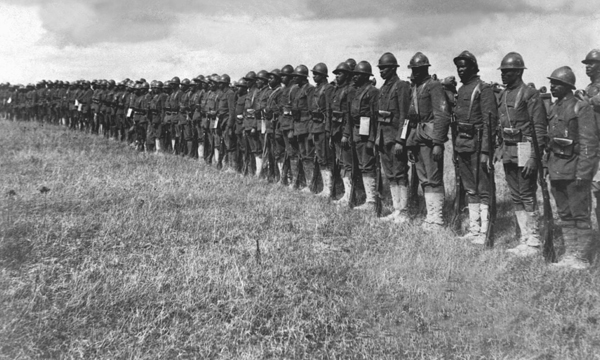 course not." It was further asked, "Are we willing to forego any claims for reparation against the Germans?" This time it was the French and the Americans who said, "No."
Right: Photo of African American troops of the 369th Infantry, formerly the 15th Regiment New York Guard, who were among the most highly decorated upon its return home in 1918. They were also known as the Harlem Hellfighters. Getty Images.
Then, within that influential threesome, the perceptive insight was voiced, "What we really want is not peace, but only quiet while we enjoy the spoils of our victory in war."
Such pretense of peace only sets the stage for more war, as the history of Europe in the thirties and forties so clearly proved.
¶ “After the 'war to end war' they seem to have been pretty successful in Paris [drafting the Treaty of Versailles, ending World War I] at making a 'Peace to end Peace.” ―British Field Marshal (and military historian) Archibald Percival Wavell
¶ Hymn of resolution. “Let every voice be thunder, let every heart beat strong / Until all tyrants perish, our work shall not be done / Let not our memories fail us, the lost year shall be found / Let slavery's chains be broken the whole wide world around.” —Peter, Paul, & Mary, “The Whole Wide World Around” (aka “Because All Men Are Brothers”)
¶ Preach it. “The apostasy of violence lies in its denial of God’s ability to accomplish anything without the trigger that is about to be pulled, without the missile that is about to be fired. Violence is inevitably a renunciation rather  than an affirmation of the will and freedom of God.” —Lee Griffith, "The War On Terrorism and the Terror of God"
¶ Can’t makes this sh*t up. “When I can, I tell the truth.” —President Donald J. Trump
¶ Call to the table. “Divine love is not an attitude that one puts on like a cloak. It is rather the right way to respond to reality. It is the right relationship to being, including our own being. And that relationship is primarily one of receiving. . . . An important part of the response to divine love, once it has been received, is to pass it on to our neighbor in a way that is appropriate in the present moment.” —Thomas Keating OCSO (1923–2018), Cistertian monk known for developing “centering prayer” as a spiritual practice
¶ The state of our disunion. American PCs are attacked by 25-30 million damaging malware files per day on average. —reported in USAToday
¶ Best one-liner. "Things take time: You don’t get a pickle by squirting vinegar on a cucumber." —author unknown
¶ For those interested in literary history, see “How World War I Changed Literature,” Amanda Onion, history.com.
¶ For the beauty of the earth. Stunning photos of “The Fading Battlefields of World War I,” 32 images from tortured European landscapes, see Alan Taylor, The Atlantic
¶ Altar call. “I don’t want thoughts. I don’t want prayers. I want gun control. . . .” —Susan Orfanos, after the shooting of her son and 11 others in Thousand Oaks, California (0:37 video)
¶ During his Court Martial in 1918, British journalist and poet Max Plowman said: “I am resigning my [military]  commission because I no longer believe that war can end war. War is a disorder, and disorder cannot breed order. Doing evil that good may come is apparent folly.”
Left: Stone crosses marking the World War I graves of German soldiers are overtaken by time and the growing trunk of a tree in Hooglede German Military Cemetery on August 4, 2014, in Hooglede, Belgium. Christopher Furlong-Getty Images.
¶ Benediction. “The facts of life,” spoken word by poet Pádraig Ó Tuama (2:01 audio).
¶ Recessional. “Hymn to the Fallen,” Mormon Tabernacle Choir & Orchestra.
¶ Lectionary for this Sunday. “Prior to his lynching at the hand of Roman rage, and to the cheers of Caiaphas’ temple tyranny, Pilate asks Jesus, ‘So, are you to be king?’ ‘So say you, Brother Pontius,’ Jesus replies. (Which is to say, I am but not as you think.) ‘My reign is not planted in the world you imagine. If it were, all who claim me as lord would bloody the sword.’” —continue reading “King Jesus and Brother Pontius,” a litany for worship inspired by John 18:33
¶ Lectionary for Sunday next. “And what do we mean when we speak of the Lordship of Christ? Is this to say that the Holy One is the ultimate author of vengeance and retribution? Of demeaning power and humiliation?
“No, a thousand times, NO! The Lordship of Christ speaks of the coming end of all lording, of the day when the cords of subjugation will unravel.” —continue reading “Christ as Lord?” a litany for worship
¶ Just for fun. “Atheists Don’t Have No Songs” by Steve Martin and the Steep Canyon Rangers.
# # #
Featured this week on prayer&politiks
• “King Jesus and Brother Pontius,” a litany for worship inspired by John 18:33
• “Aftermath of the Great War’s Armistice: On the 100th anniversary of Armistice Day, 11 November 2018,” a poem
 • “The backdrop of Veterans Day: Remembering red poppies and the Great War’s armistice,” an essay
©Ken Sehested @ prayerandpolitiks.org. Language not otherwise indicated above is that of the editor, as are those portions cited as “kls.” Don’t let the “copyright” notice keep you from circulating material you find here (and elsewhere in this site). Reprint permission is hereby granted in advance for noncommercial purposes.
Feel free to copy and post any original art on this site. (The ones with “prayer&politiks.org” at the bottom.) As well as other information you find helpful.
Your comments are always welcomed. If you have news, views, notes or quotes to add to the list above, please do. If you like what you read, pass this along to your friends. You can reach me directly at kensehested@prayerandpolitiks.org.
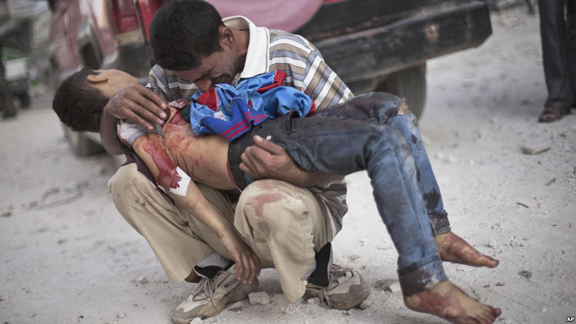 man holding his dead son. Take in the background. Notice the torn jeans. The blood stains. The boy’s shirt ripped away. The utter grief on the father’s face. The boy’s limp body. The immediate association my mind made was to name this photo “The Final Cradling.” Bough broken, baby fallen.
 Above: “Farm Scene” painting by Walt Curlee.
 into the fire.” —D.J. Antoine, “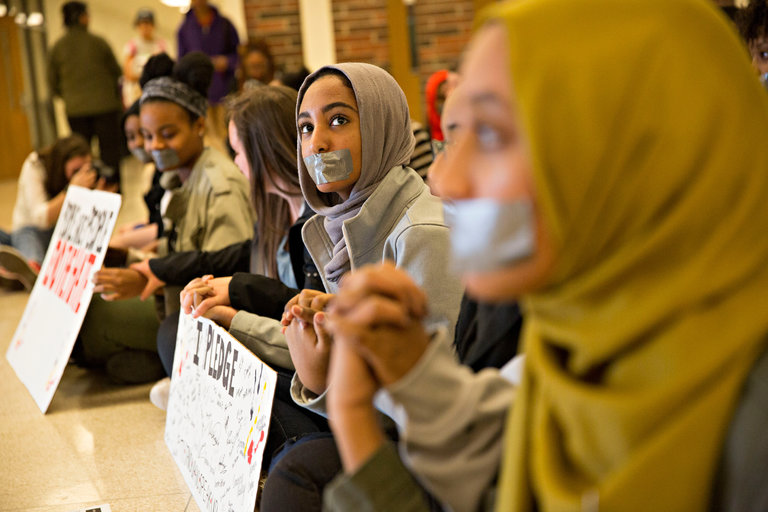
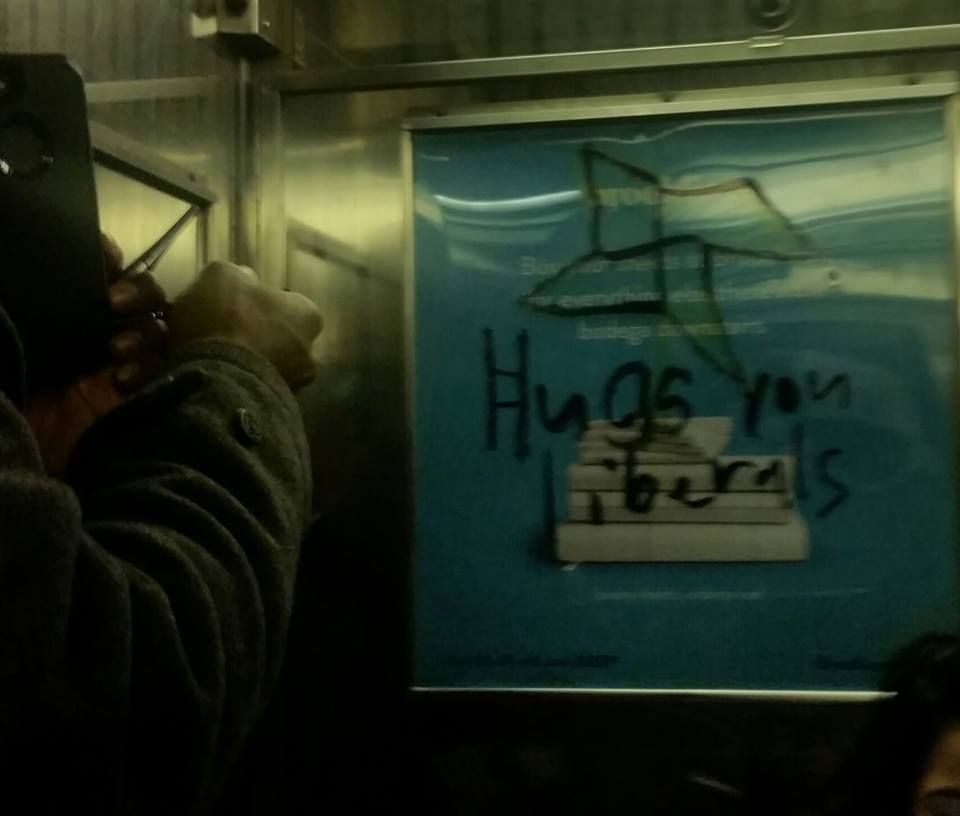 one by one the signs of evil were transformed to flowers and hugs. The participants were black, white, hispanic, asian, young and old. Those are my New York values! Don't leave the house without your corrective markers my friends.” —Kaleda Davis, Facebook post
 • Identify common ground such as similar values or concerns and utilize this as a foundation to build upon
 today—think of the ongoing protest against the Dakota Access Pipeline at Standing Rock, North Dakota—is a little known papal bull from the 15th century serving as legal justification for European conquest of the “New World,” based on the church’s alleged “Great Commission.”
 massacre. —see more at Billy J. Stratton, “
 the world that is within our reach. Any small, calm thing that one soul can do to help another soul, to assist some portion of this poor suffering world, will help immensely. It is not given to us to know which acts or by whom, will cause the critical mass to tip toward an enduring good.” —
 ethnicity, sexual orientation and gender identity are spiking nationwide. It's a crisis.
 threatening crest. Video (5:53) of surfer Benji Brand.
 • “
• “
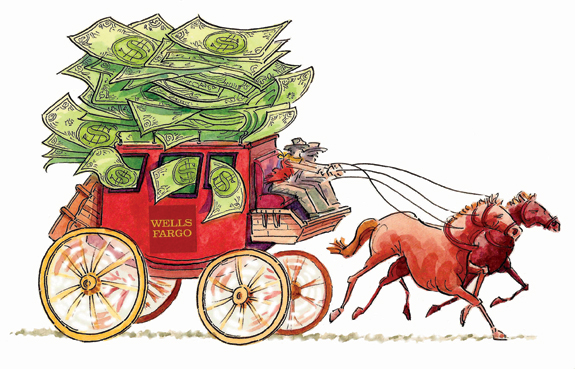 documents such problems are not simply the result of a handful of devious individuals. Berger illustrates the structural incentive for fraud.
 —President Thomas Jefferson
 ¶ “If the environment were a bank, it would have been saved by now.” —Bernie Sanders
 history screamed and plunged / into our personal weather.” —Adrienne Rich, “
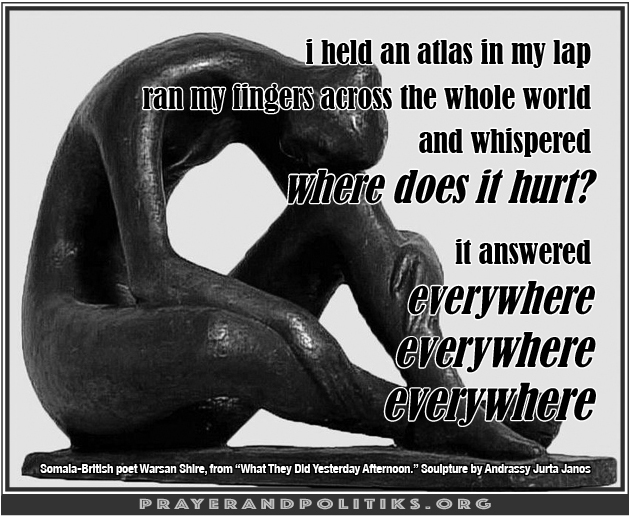 of the poor/” —Bruce Cockburn, “
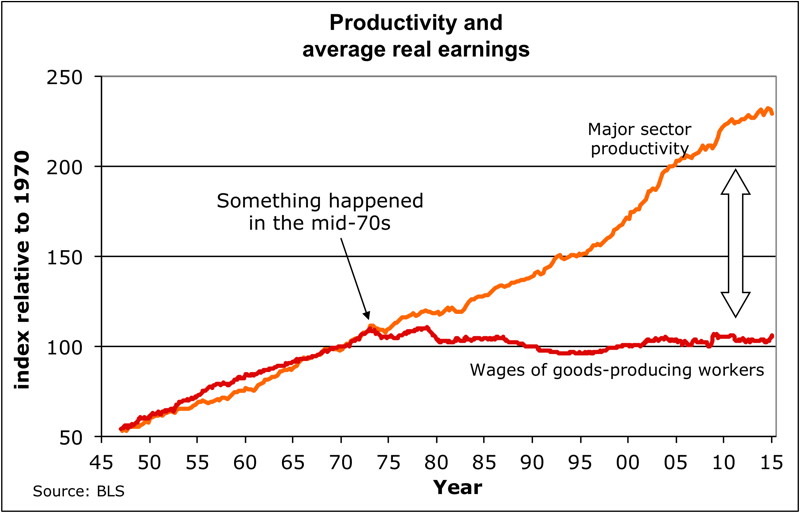 having been long and carefully examined with the most suspicious attention." —Adam Smith, The Wealth of Nations
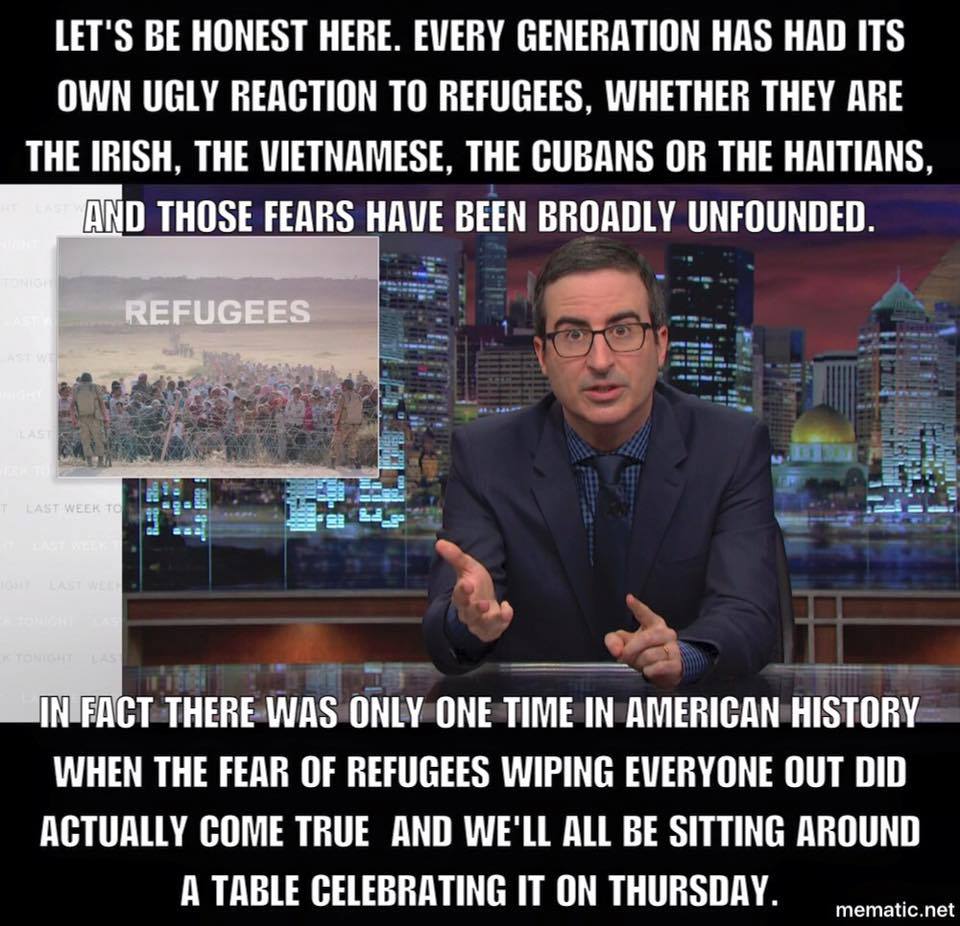 flamethrowing and fetal crouch.’ Those are typically our immediate reactions to threat.” —Ken Sehested, “
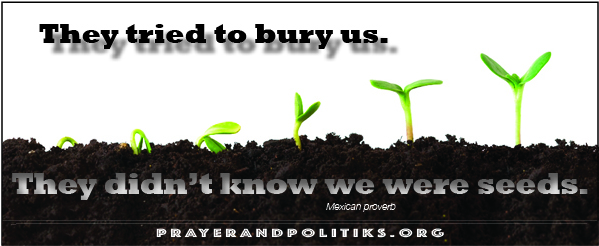 Table of Delight. All you anear, welcome!. All from afar, ¡bienvenido!” —continue reading Ken Sehested’s “
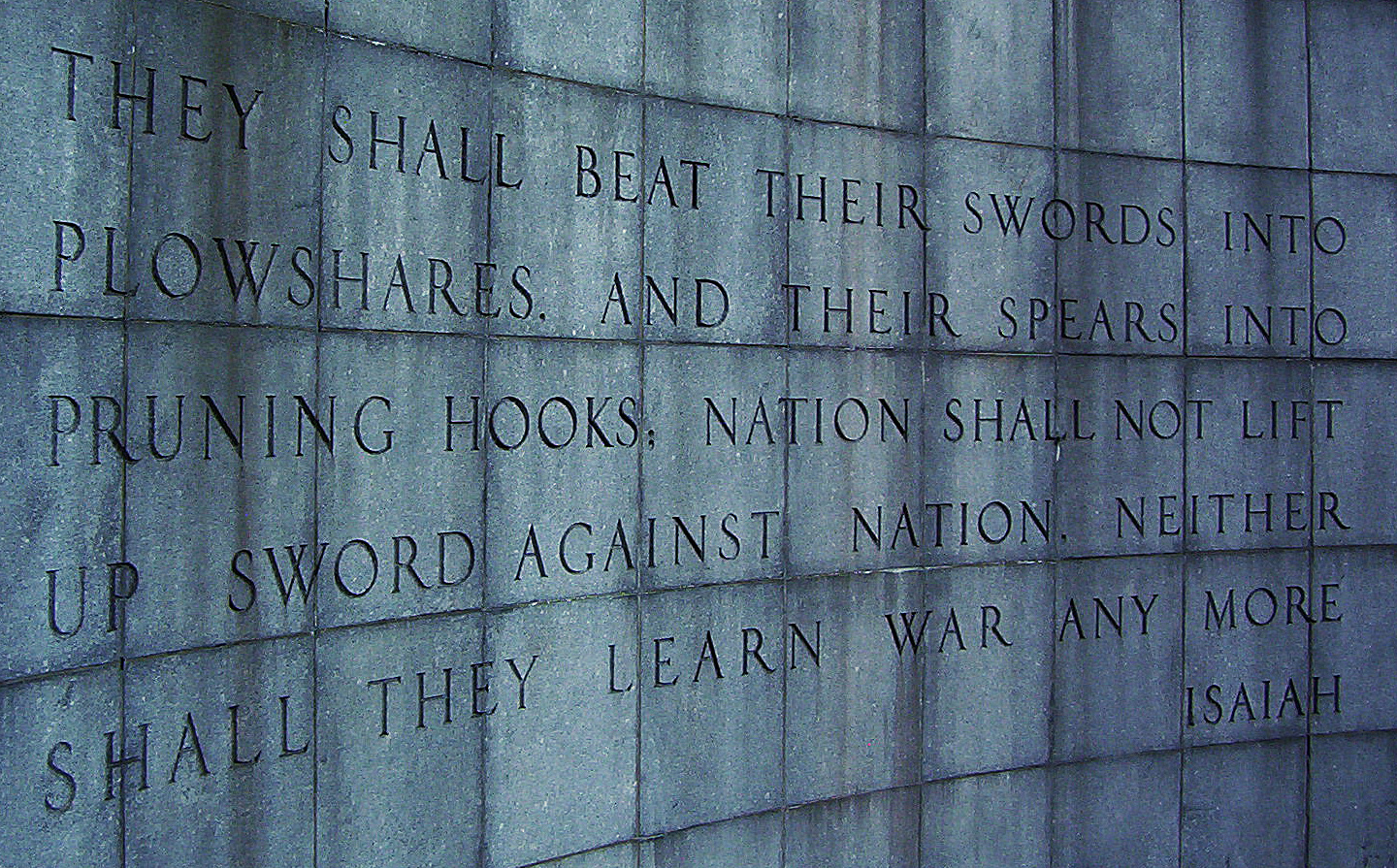 bridges instead of walls.
 Other features
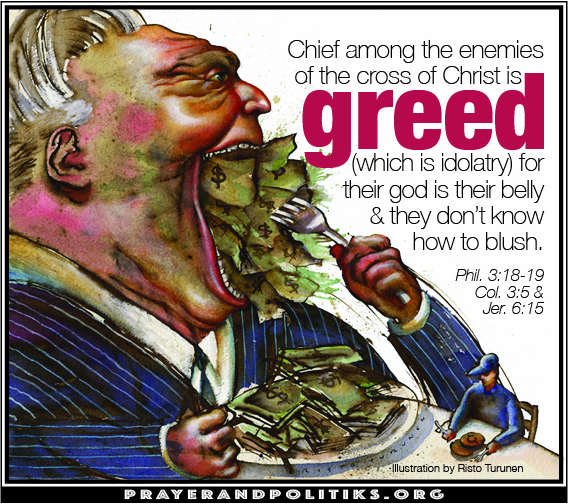 (1) The congressional majority has virtually nothing to show for their dominance of the executive and legislative branches of government in 2017; (2) they know the slightly different House and Senate plans are highly unpopular with the general public and need to be wrapped up before a popular revolt emerges; and (3) wealthy donors are already calling to say get-it-done-or-stop-calling.
 Gaelynn Lea, who was born with brittle bone disease, confining her to a wheel chair, but writes and performs ballads by playing a violin upright, like a cello. (
 on coveting (Exod. 20:17).” —Walter Brueggemann, Money and Possessions
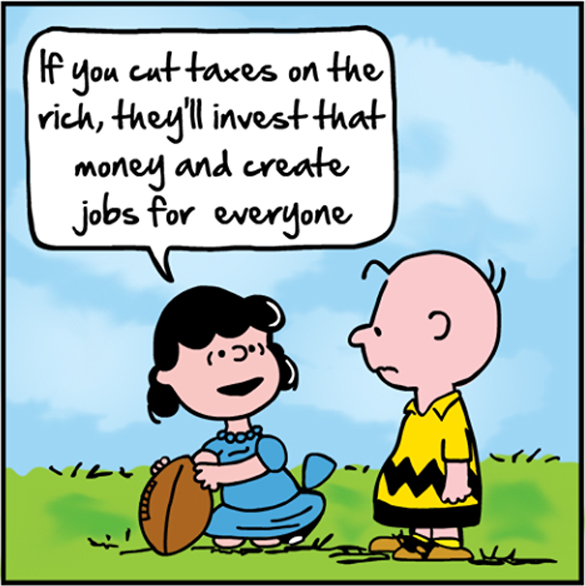 economist at Tax Analysts. By 2027, that share rises to 61% under the House bill, which phases down some of the provisions that help middle-class families.” —Catherine Rampell, “
 measured countries [in the Organization for Economic Cooperation and Development] except Korea, Chile, and Mexico. . . . [D]eductions and other tax strategies mean relatively few US corporations actually get stuck paying the maximum nominal 35% rate, instead paying about 20% on average.” —
 our government to get serious about shared sacrifice.” —
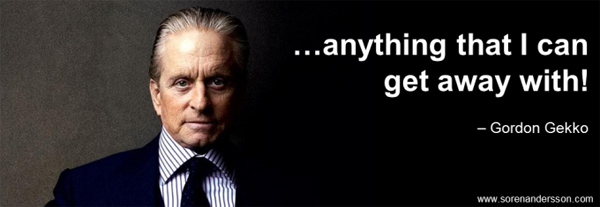 in 2012. In fact, 18 major companies actually got tax rebates.” —sources:
  families. —for more see Nathaniel Weixel, “
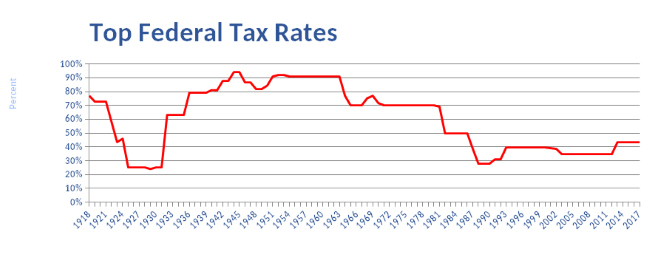 in low-tax havens and what that means for government coffers. He’s found that 63% of foreign profits made by American multinational corporations are stuffed in these subsidiaries and accounts, depriving the country of about $70 billion in tax revenue each year.” —Bryce Covert, “
 Concerto in D after Vivaldi, 2nd movement"
  ©Ken Sehested @ prayerandpolitiks.org. Language not otherwise indicated above is that of the editor, as are those portions cited as “kls.” Don’t let the “copyright” notice keep you from circulating material you find here (and elsewhere in this site). Reprint permission is hereby granted in advance for noncommercial purposes.
 Virginia.)
  the New Yorker is 54 times more likely to be killed in the process. . . .
 face from you so that God does not hear. For your hands are defiled with blood, and your fingers with iniquity; your lips have spoken lies, your tongue mutters wickedness.” —Isaiah 59:2-3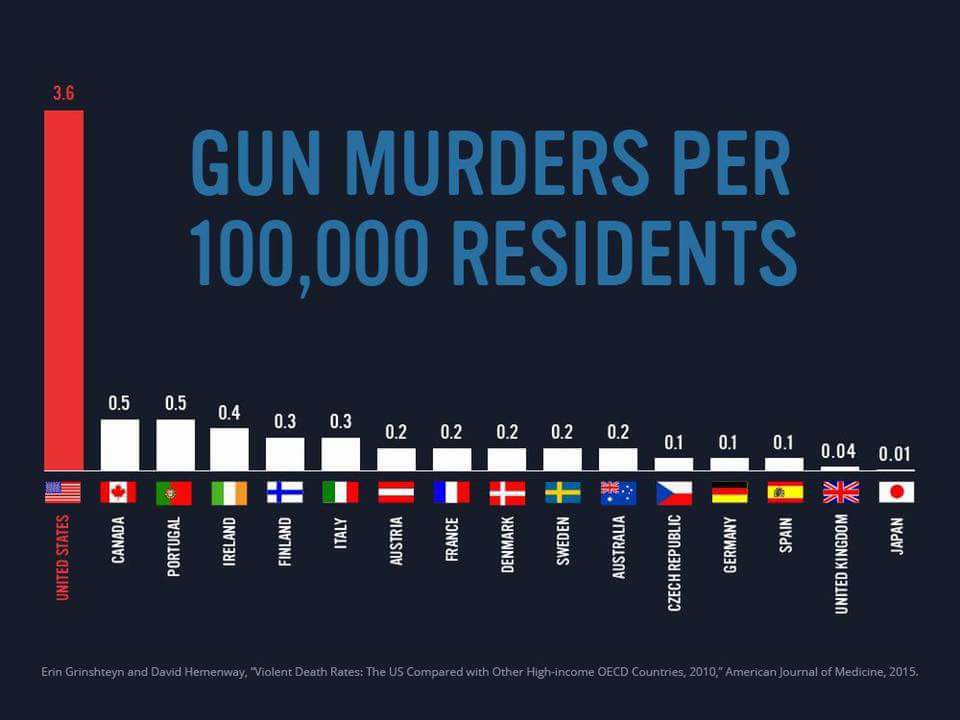
 sharply restricted and only under licenses.” —for more see
 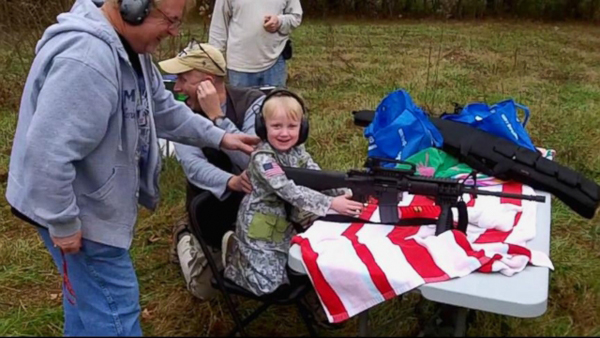 the products safer and to limit access by people who are most likely to misuse them.” —Nicholas Kristoff, “
 tourism. “DeSoto County, Florida, Honolulu, and Las Vegas practice aggressive marketing to lure gun-avid tourism. Said one new business owners in South Carolina, “The more people that get to shoot machine guns, the better. Combined with large-scale machine gun shoots and silencer shoots, we hope that some things about who is allowed to own these things and who isn’t changes.” —for more see
  allow itself to be savaged again and again by its own citizens. We cannot understand how the long years of senseless murder, the Sandy Hooks and Orlandos and Columbines, have not proved to Americans that the gun is not a precious symbol of freedom, but a deadly cancer on their society.
 (Thanks Don.)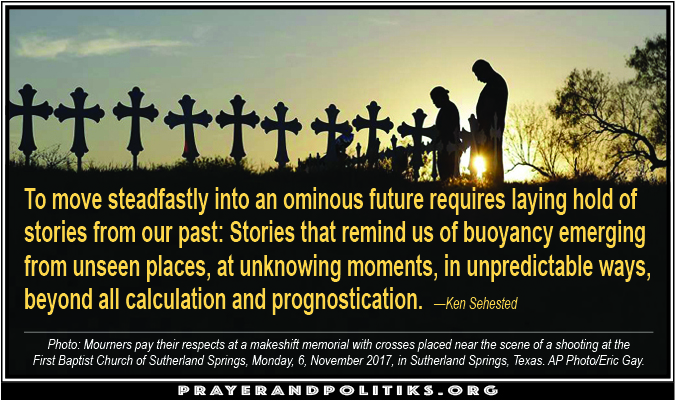
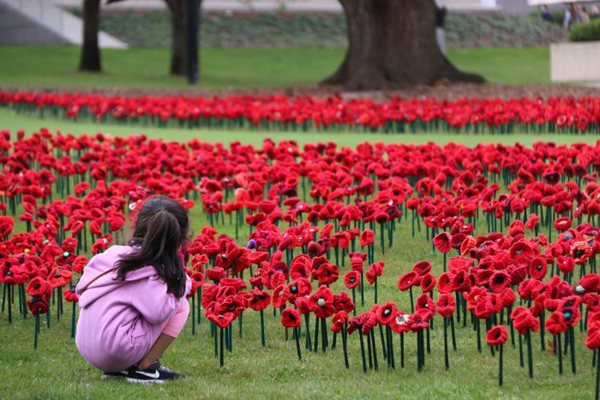 Papaver rhoeas, known variously as the Flanders poppy, corn poppy, red poppy and corn rose.
 of disparity without positive detriment to our national security. To do so we will have to dispense with all sentimentality and day-dreaming; and our attention will have to be concentrated everywhere on our immediate national objectives….
 mass destruction—brought a measure of confidence that the invasion would be further delayed. The anti-war war movement was indeed mobilizing like never before.
 simultaneous commitment to the process of spiritual formation—only compound the crisis. Doing so has the effect of feeding our children to the very beast whose appetite swells with every fare. If our political vocation lacks anchorage in spiritual transformation, then we can only expect more of the same, only worse. You know what they say about computers: garbage in, garbage out.
 s a ramshackle structure, long since forgotten by the landlord. Her only source of heat was one small gas heater, and she spent frigid days sitting next to it, wrapped in a blanket.