by Nancy Hastings Sehested
It wasn’t the blood on the stairs that sent me racing back down the hallway, or the repeated cries of “Oh, my god!” that turned me away. It was simply this: I couldn’t breathe. I needed air. Air that was not saturated with pepper spray. With eyes burning, I coughed and sputtered my way back to where I could breathe again. After ten years at the prison, I knew where to go for breathing places.
Two nurses and six officers bolted down the main corridor to the housing unit where the assault happened. No one  invited me to go along, of course. They were the first responders, not me. They had retractable batons, pepper spray, and handcuffs; they could stop the flow of blood or patch a gash of flesh. But me? I was useless. “Non-essential staff.”
Read more ›

 children is numbing. A few examples:
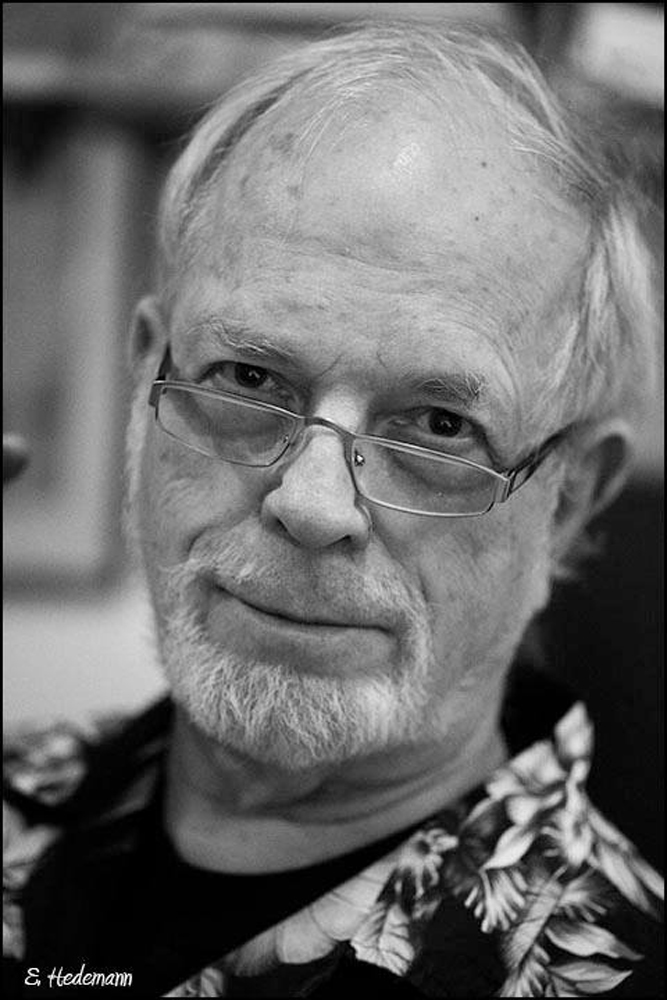 It would be a stretch to say he was a friend. More like an acquaintance in his far-flung orbit of fellow pilgrims who looked to him for light.
 However, he is numbered in a rare breed of politicians of his generation—or mine, or any in my memory—who has displayed more character and integrity, the willingness to be guided, more often than not, by moral principle rather than profit or political expediency.